

Description
Bucephalandra
Bucephalandra is one of the most beautiful and versatile epiphytic plants for planted aquariums. Popular among aquascapers, shrimp keepers, and planted-tank enthusiasts, Buce is loved for its compact growth, textured leaves, and beautiful shades ranging from deep green to bronze, purple, and reddish tones.
At HydroNook, we offer Bucephalandra varieties selected for aquascaping, shrimp tanks, nano aquariums, and natural planted setups.
🌿 A Perfect Plant for Aquascaping
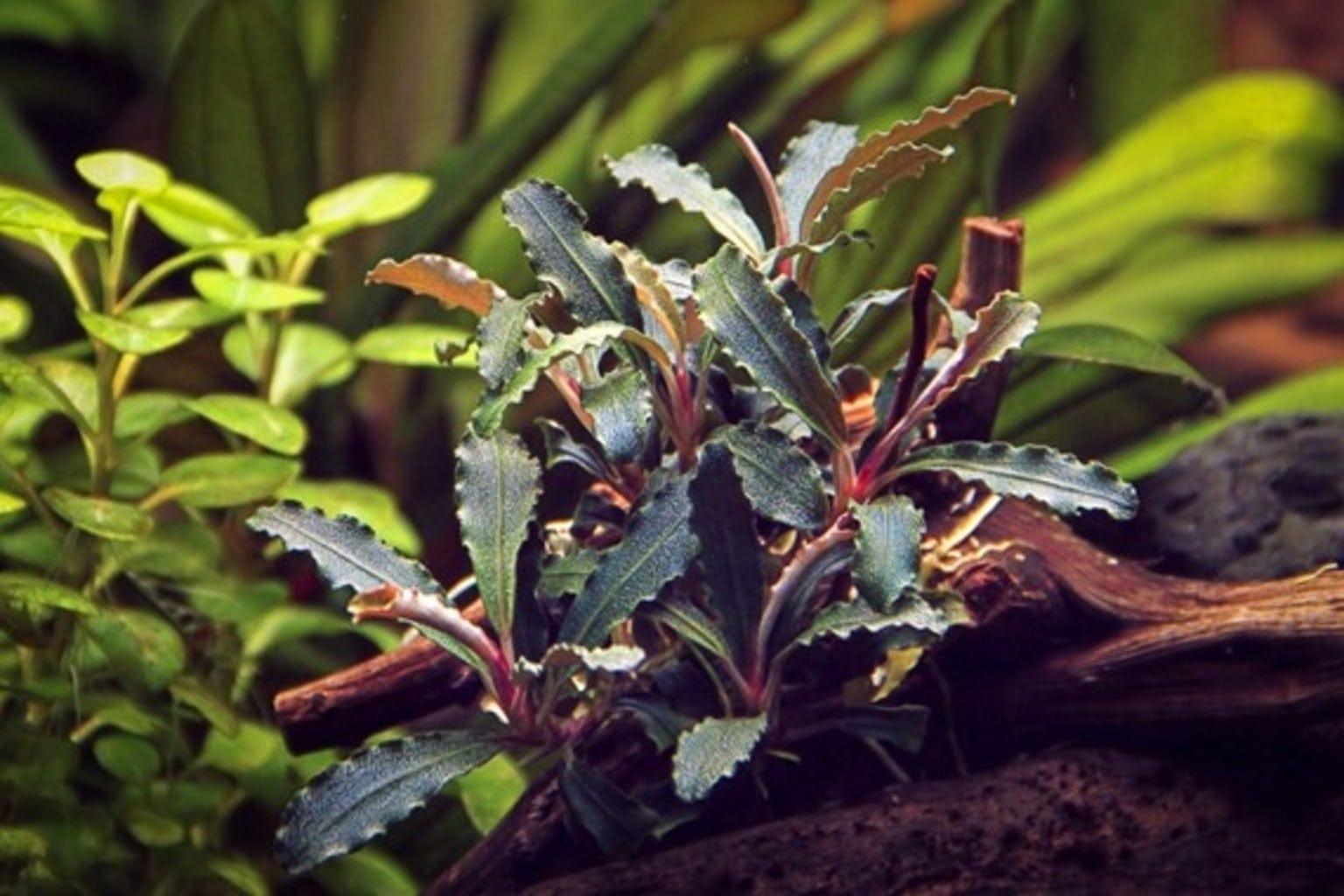
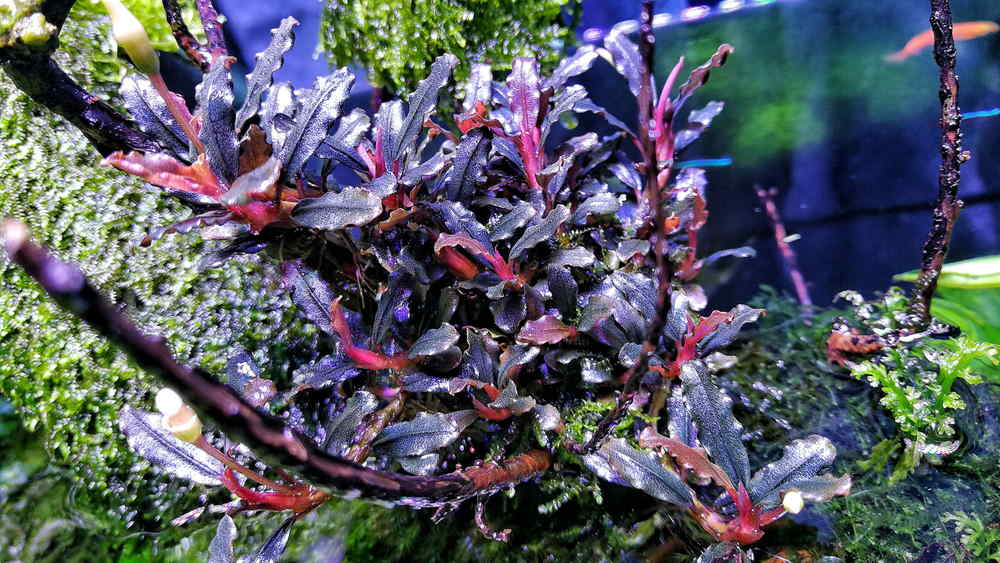
Bucephalandra is an epiphyte, meaning it does not need to be planted into aquarium soil.
Instead, it can be attached directly to:
- 🪨 Aquarium rocks
- 🌳 Driftwood
- 🌿 Aquascaping branches
- 🏔️ Dragon stone
- 🪵 Spider wood
- 🪴 Other hardscape surfaces
Over time, its roots naturally attach themselves to the hardscape, creating a beautiful and natural-looking aquascape.
Important
Do not bury the rhizome.
The rhizome should remain exposed above the substrate. Burying it can cause the rhizome to rot.
🍃 Beautiful Leaves & Natural Colors
One of the biggest attractions of Bucephalandra is its incredible variety.
Depending on the species or cultivar, Buce can have:
- Small rounded leaves
- Long narrow leaves
- Wavy leaves
- Dark green foliage
- Bronze coloration
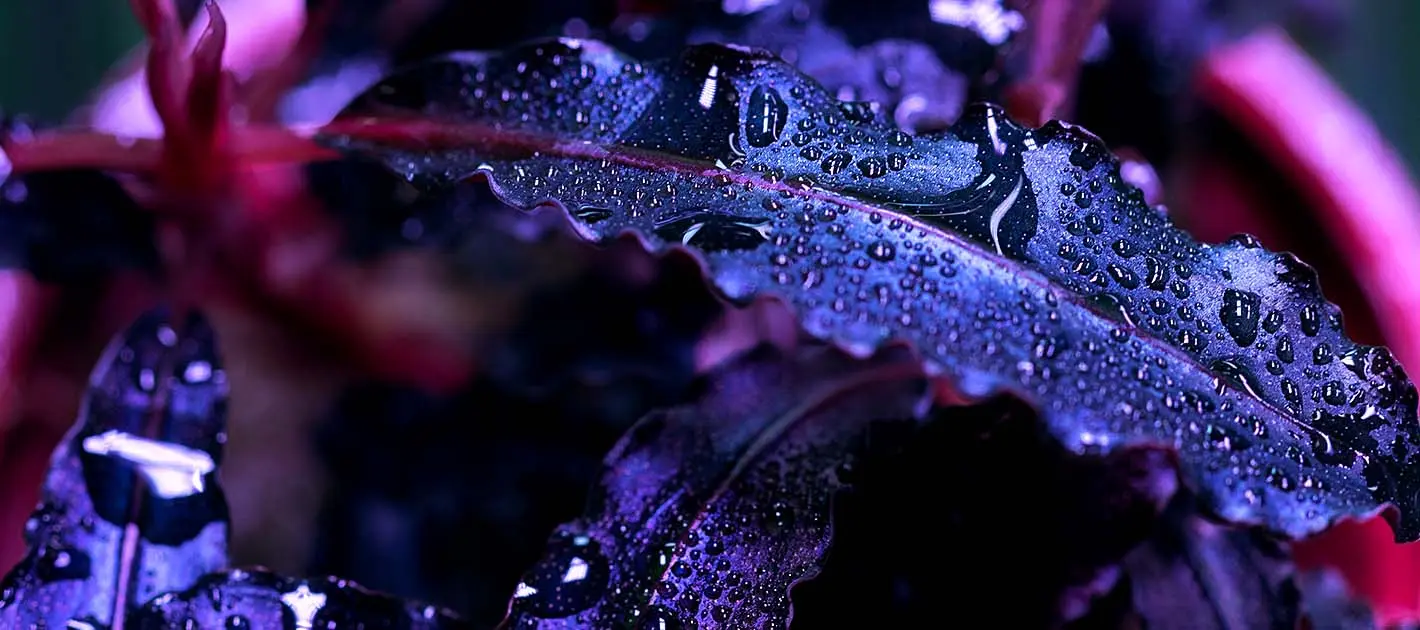
- Purple highlights
- Metallic-looking leaves
- Compact miniature growth
Different varieties can be combined to create subtle texture and color variation throughout an aquascape.
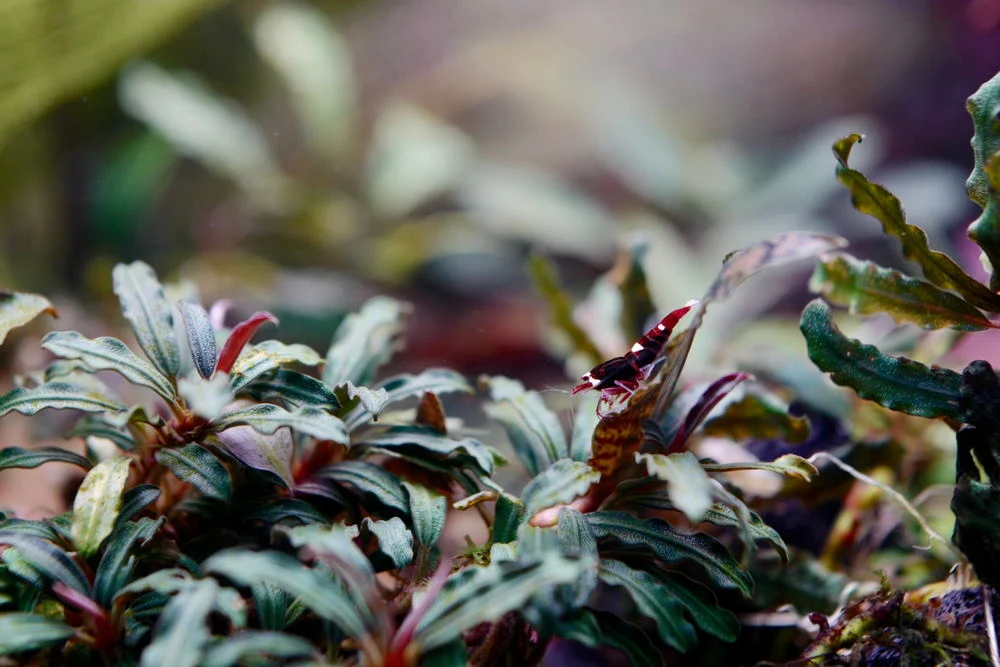
🦐 Excellent for Shrimp Tanks
Bucephalandra is particularly popular with shrimp keepers.
Its textured leaves provide excellent surfaces for biofilm and natural grazing, while the roots and surrounding hardscape create additional hiding and resting areas.
Buce works beautifully alongside:
- Cherry Shrimp
- Crystal Shrimp
- Amano Shrimp
- Nerite Snails
- Small community fish
Its slow growth also means it requires very little trimming or maintenance.
💡 Lighting Requirements
Bucephalandra does not require extremely powerful lighting.
It can grow under low to moderate aquarium lighting, making it suitable for both low-tech and high-tech planted aquariums.
Under stronger lighting and good CO₂ availability, growth can become more compact and coloration may become more pronounced. However, excessive light can encourage algae growth on the leaves.
Tip: Give Buce stable conditions rather than trying to force rapid growth.
💨 CO₂: Optional but Beneficial
Bucephalandra can grow without injected CO₂, making it a great choice for low-tech aquariums.
However, in a CO₂-injected planted tank, you can expect:
- Faster growth
- Stronger new leaves
- Better overall plant development
- More vigorous root growth
For a low-tech aquarium, patience is key. Bucephalandra naturally grows slowly.
🌱 How to Plant Bucephalandra
Step 1
Choose a suitable rock or piece of driftwood.
Step 2
Position the Bucephalandra where you want it to grow.
Step 3
Secure it using aquarium-safe super glue gel, thread, or fishing line.
Step 4
Keep the rhizome exposed.
Step 5
Allow the roots to naturally attach to the hardscape.
Once established, Bucephalandra can remain attached for a very long time.
🌿 Bucephalandra Melt – Don’t Panic
Newly introduced Bucephalandra can sometimes experience leaf melt.
This is especially common when a plant transitions from emersed to submerged growth.
Older leaves may deteriorate while the plant develops new underwater leaves.
The most important thing is the rhizome.
If the rhizome remains firm and healthy, there is a good chance the plant will recover and produce new growth.
Avoid throwing away a Buce simply because some of its older leaves have melted.
💧 Bucephalandra Care Guide
| Parameter | Recommended |
|---|---|
| Difficulty | Easy |
| Growth Rate | Slow |
| Lighting | Low – Moderate |
| CO₂ | Optional |
| Placement | Rocks / Driftwood |
| Plant Type | Epiphyte / Rhizome |
| Temperature | 20–28°C |
| pH | Approximately 6.0–7.5 |
| Water Hardness | Soft – Moderately Hard |
| Substrate Required | No |
Stable aquarium conditions are generally more important than chasing exact numbers.
🪨 Where Can You Use Bucephalandra?
Bucephalandra works exceptionally well in:
Nano Aquariums
Small varieties can add detail without overwhelming the layout.
Shrimp Tanks
Excellent grazing surfaces and natural shelter.
Nature Aquariums
Perfect for adding texture around rocks and wood.
Low-Tech Aquariums
Slow growth and modest lighting requirements make Buce easy to maintain.
High-Tech Aquascapes
CO₂ and stronger lighting can encourage vigorous growth and beautiful coloration.
🧪 Feeding & Fertilization
Although Bucephalandra grows slowly, it still benefits from balanced nutrients in the aquarium.
Because Buce primarily absorbs nutrients through its leaves and rhizome, water-column fertilization can be beneficial.
A balanced aquarium fertilizer can support:
- Healthy new leaves
- Stronger coloration
- Root development
- Consistent growth
Avoid excessive fertilization simply to make Buce grow faster. Slow growth is part of what makes this plant so easy to maintain.
⭐ Why Aquascapers Love Bucephalandra
✔ Easy to maintain
✔ Slow growing
✔ No substrate required
✔ Excellent for shrimp tanks
✔ Works in low-tech aquariums
✔ Beautiful leaf shapes and colors
✔ Perfect for rocks and driftwood
✔ Minimal trimming required
✔ Excellent for nano aquascapes


