

Description
Tiger Lotus (Nymphaea zenkeri)
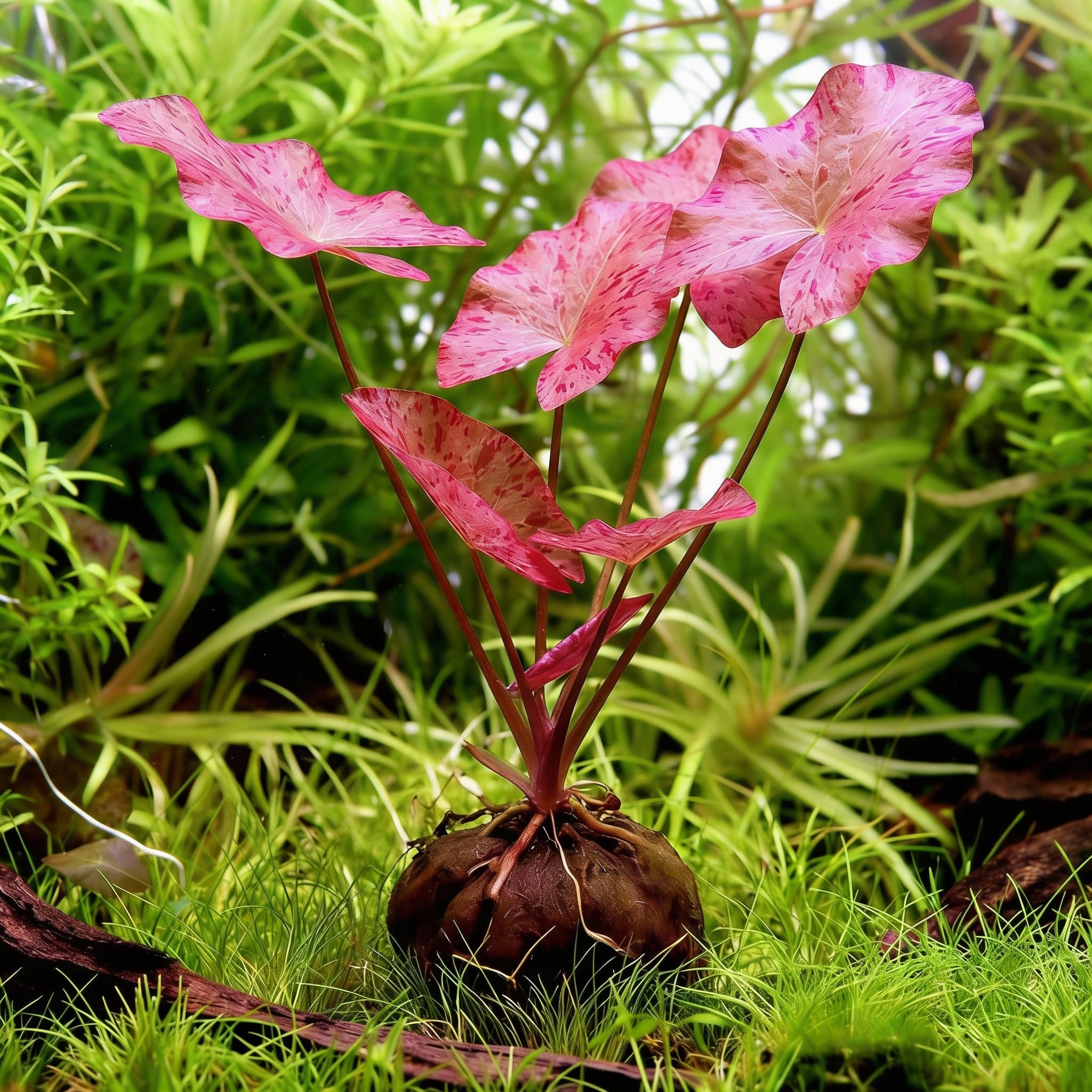
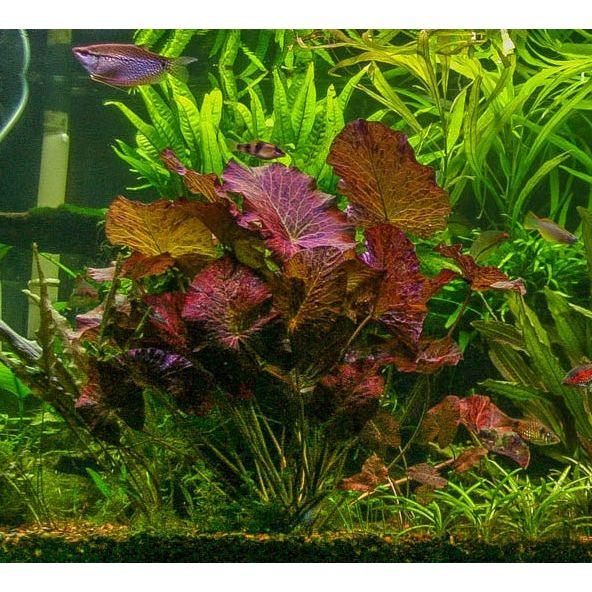
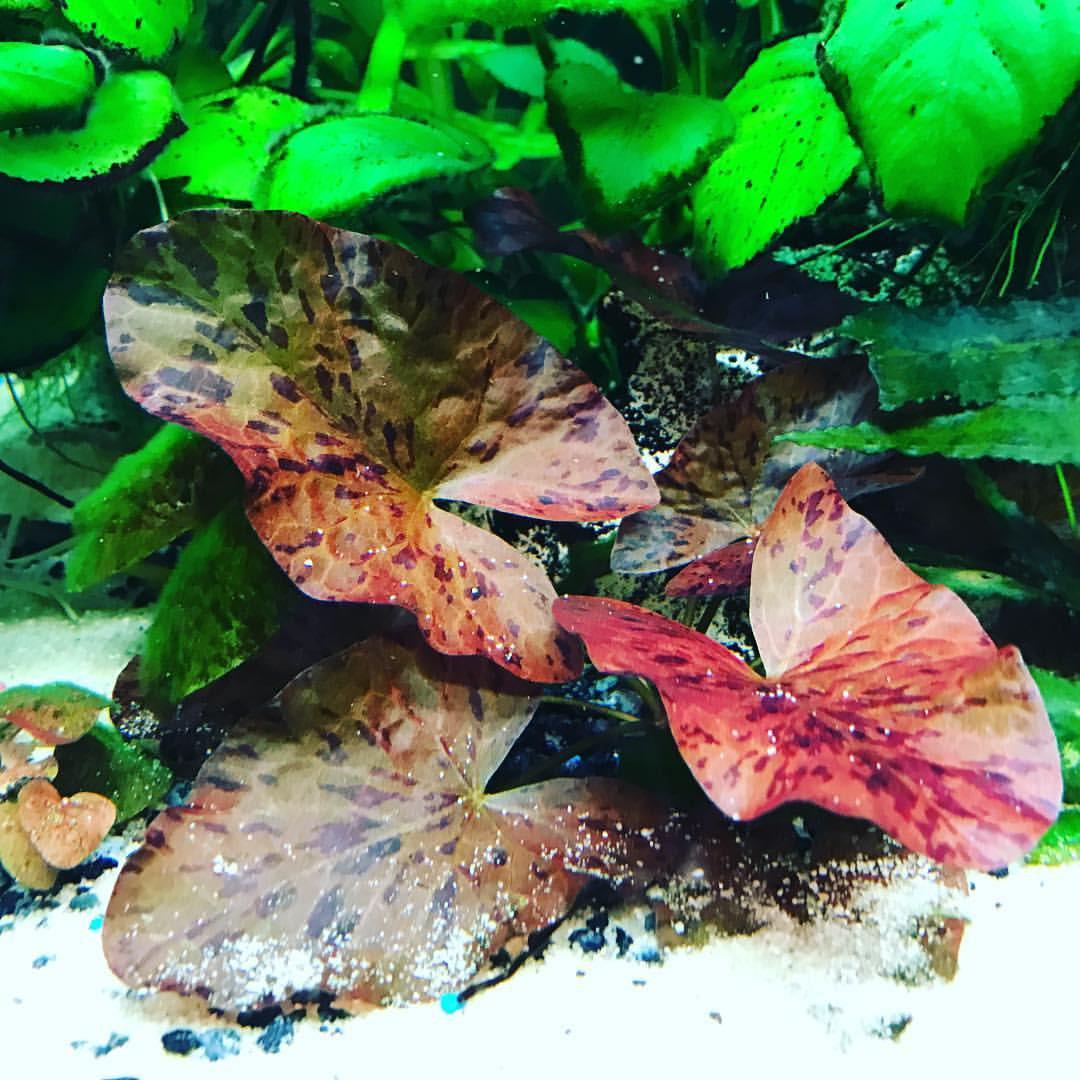
Tiger Lotus — Nymphaea zenkeri is one of the most eye-catching aquarium plants for creating a bold focal point in planted tanks. Known for its beautifully patterned leaves, vibrant green to reddish coloration, and distinctive lily-like appearance, Tiger Lotus can transform an ordinary aquascape into a striking natural display.
It is an excellent choice for both beginners and experienced aquascapers and works particularly well as a midground or background centerpiece plant.
🌿 Tiger Lotus at a Glance
- Scientific Name: Nymphaea zenkeri
- Common Names: Tiger Lotus, Red Tiger Lotus, Green Tiger Lotus
- Plant Type: Bulb plant
- Difficulty: Easy to Moderate
- Growth Rate: Moderate to Fast
- Placement: Midground / Background
- Lighting: Low to High
- CO₂: Optional, but beneficial
- Color: Green, red, burgundy and patterned shades
- Propagation: Side shoots / daughter bulbs
- Aquarium Use: Freshwater planted aquariums
🌱 About Tiger Lotus
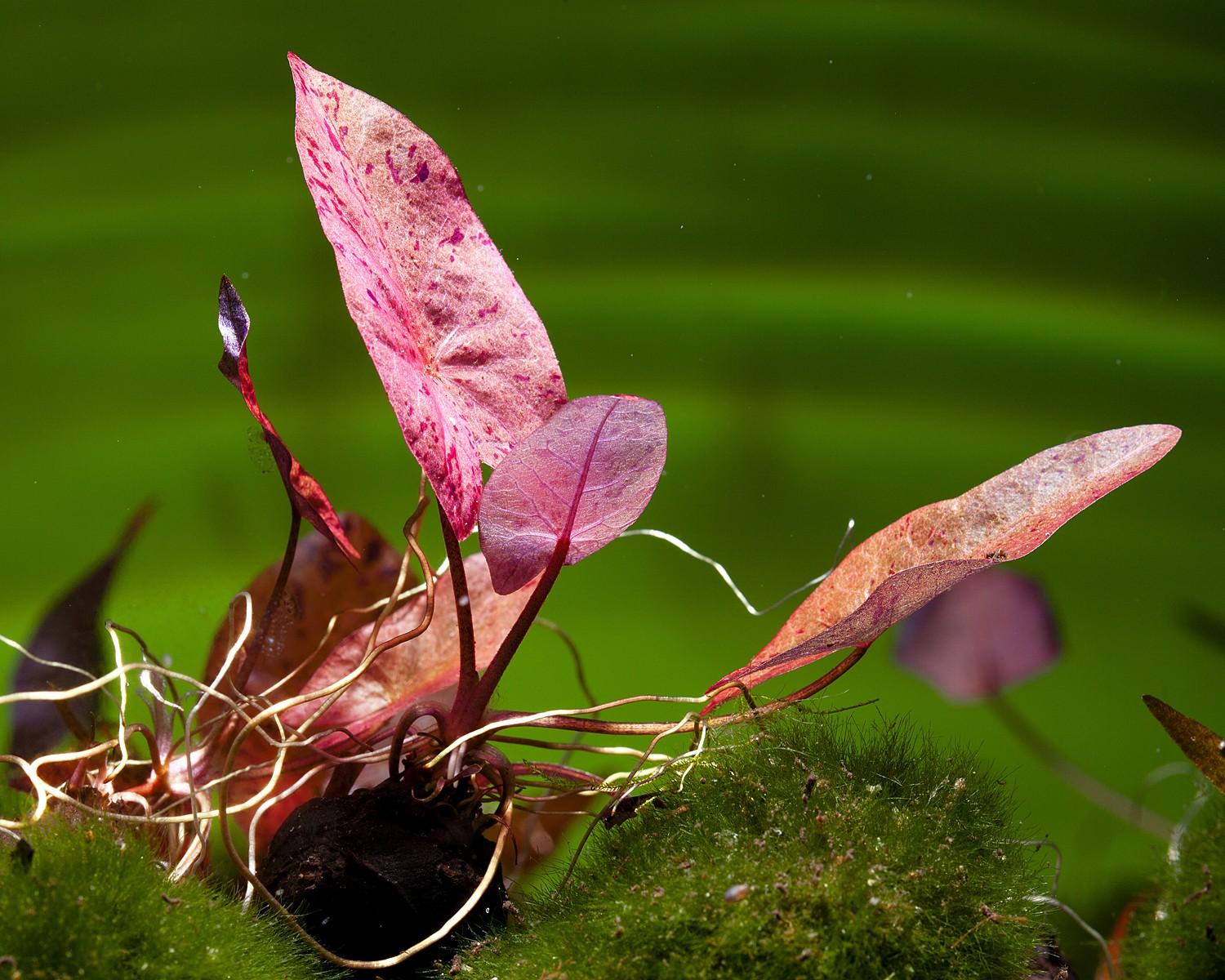
Tiger Lotus grows from a bulb and produces attractive, rounded leaves that gradually develop into a spectacular focal point. Depending on lighting, nutrients, and aquarium conditions, the leaves can range from green and olive tones to deep red and burgundy.
Its naturally dramatic appearance makes it particularly popular in Dutch-style aquascapes, nature aquariums, jungle-style layouts, and planted community tanks.
Given enough space, Tiger Lotus can become a large specimen, so it is best positioned where its leaves can spread without shading smaller plants.
💡 Lighting Requirements
Tiger Lotus is adaptable and can grow under a wide range of aquarium lighting.
Under stronger lighting, the plant generally develops more compact submerged growth and can display stronger red coloration, particularly when combined with good nutrition.
For planted aquariums with powerful LED lighting, regular trimming may be required to prevent the larger leaves from shading plants underneath.
💨 CO₂ Requirements
CO₂ injection is not essential for keeping Tiger Lotus healthy.
However, CO₂ can significantly improve growth and overall plant development. In a CO₂-injected planted aquarium, Tiger Lotus can grow faster and produce larger, healthier leaves.
If you are maintaining a low-tech aquarium without CO₂, Tiger Lotus can still thrive when provided with adequate light and nutrients.
🪴 How to Plant Tiger Lotus
Tiger Lotus is grown from a bulb, and planting it correctly is important.
Place the bulb gently on the aquarium substrate and do not completely bury the bulb.
Only the roots should be covered by the substrate while the main body of the bulb remains exposed. Completely burying the bulb can cause it to deteriorate.
Once established, the plant will develop roots into the substrate and begin producing new leaves.
Planting Tip
Give Tiger Lotus some open space around it. A single healthy plant can eventually become a large centerpiece, and overcrowding can reduce its visual impact.
🌿 Substrate & Fertilization
Tiger Lotus benefits from a nutrient-rich substrate because it develops a substantial root system.
Root tabs or nutrient-rich aquarium substrates can be particularly useful for supporting strong root development.
Regular liquid fertilization can also help maintain healthy foliage, especially in heavily planted aquariums.
If the plant begins producing pale or smaller leaves, review your aquarium’s overall nutrient availability and lighting rather than immediately increasing fertilizer dramatically.
✂️ Trimming & Maintenance
Tiger Lotus is relatively easy to maintain, but it can grow quickly under strong lighting and good nutrition.
Remove older, damaged, or unwanted leaves close to the base of the plant.
If floating leaves begin reaching the surface and you want to maintain a fully submerged aquascape, trim them before they become established above the water.
Regular trimming also helps prevent Tiger Lotus from shading smaller plants.
🌱 Propagation
Established Tiger Lotus plants can produce new growth from the bulb, including side shoots or daughter plants.
Once a new plant has developed a sufficient root system, it can be separated carefully and replanted elsewhere in the aquarium.
This allows a single healthy Tiger Lotus to eventually produce additional plants.
🐠 Tiger Lotus in Community Aquariums
Tiger Lotus is generally an excellent choice for peaceful freshwater community aquariums.
Its broad leaves provide additional structure and cover for fish and shrimp, while its dense root system can contribute to a natural-looking planted environment.
It is suitable for aquariums containing:
- Community fish
- Tetras
- Rasboras
- Gouramis
- Livebearers
- Shrimp
- Peaceful bottom-dwelling species
Avoid placing it where large digging fish or aggressive plant-eating species are likely to constantly disturb the bulb or leaves.
🌿 Why Choose Tiger Lotus?
Tiger Lotus is popular because it combines easy care with a dramatic appearance.
Its large patterned leaves create contrast against finer plants such as Rotala, Ludwigia, Monte Carlo, and other carpeting species. Red varieties can also provide a strong color accent in predominantly green aquascapes.
Key Benefits
✓ Beautiful centerpiece plant
✓ Suitable for beginners
✓ Works in low-tech and high-tech aquariums
✓ Can develop striking red coloration
✓ Does not require CO₂
✓ Excellent contrast against green aquarium plants
✓ Easy to propagate once established
🛒 Buy Tiger Lotus from HydroNook
Add a bold natural focal point to your planted aquarium with Tiger Lotus (Nymphaea zenkeri) from HydroNook.
Each plant is selected for aquarium use and can be incorporated into a wide range of freshwater aquascapes.
Whether you are building a nature aquarium, Dutch-style planted tank, or simply want a striking centerpiece, Tiger Lotus is an excellent addition.
Available from HydroNook — Aquarium Fish & Plants, DHA Phase 1, Islamabad.
Frequently Asked Questions
Does Tiger Lotus need CO₂?
No. Tiger Lotus can grow without injected CO₂, although CO₂ supplementation can improve growth, leaf development, and coloration.
Can Tiger Lotus grow in low-tech aquariums?
Yes. Tiger Lotus is adaptable and can grow successfully in low-tech aquariums when provided with suitable lighting and nutrients.
Should I bury the Tiger Lotus bulb?
No. Avoid completely burying the bulb. Plant the roots in the substrate while keeping the main bulb exposed.
How big does Tiger Lotus become?
Tiger Lotus can become a substantial aquarium plant, particularly under strong lighting and nutrient-rich conditions. Regular trimming can keep it at a manageable size.
Why is my Tiger Lotus growing floating leaves?
Tiger Lotus naturally has the ability to produce leaves that reach the water surface. Strong lighting and favorable conditions can encourage this behavior. Remove surface-reaching leaves if you want to maintain compact submerged growth.
Is Tiger Lotus good for shrimp tanks?
Yes. Tiger Lotus can be kept with peaceful freshwater shrimp. Its leaves and surrounding growth can provide additional structure and cover.
Is Tiger Lotus a beginner-friendly aquarium plant?
Yes. It is generally considered an easy-to-moderate aquarium plant and is a good choice for aquarists looking for a visually impressive plant without demanding maintenance.


